From the Swad desk Classes
Pricing a seat in your cooking class
By Swad DeskRead time: 4 minutesGoes with: Cooking classes
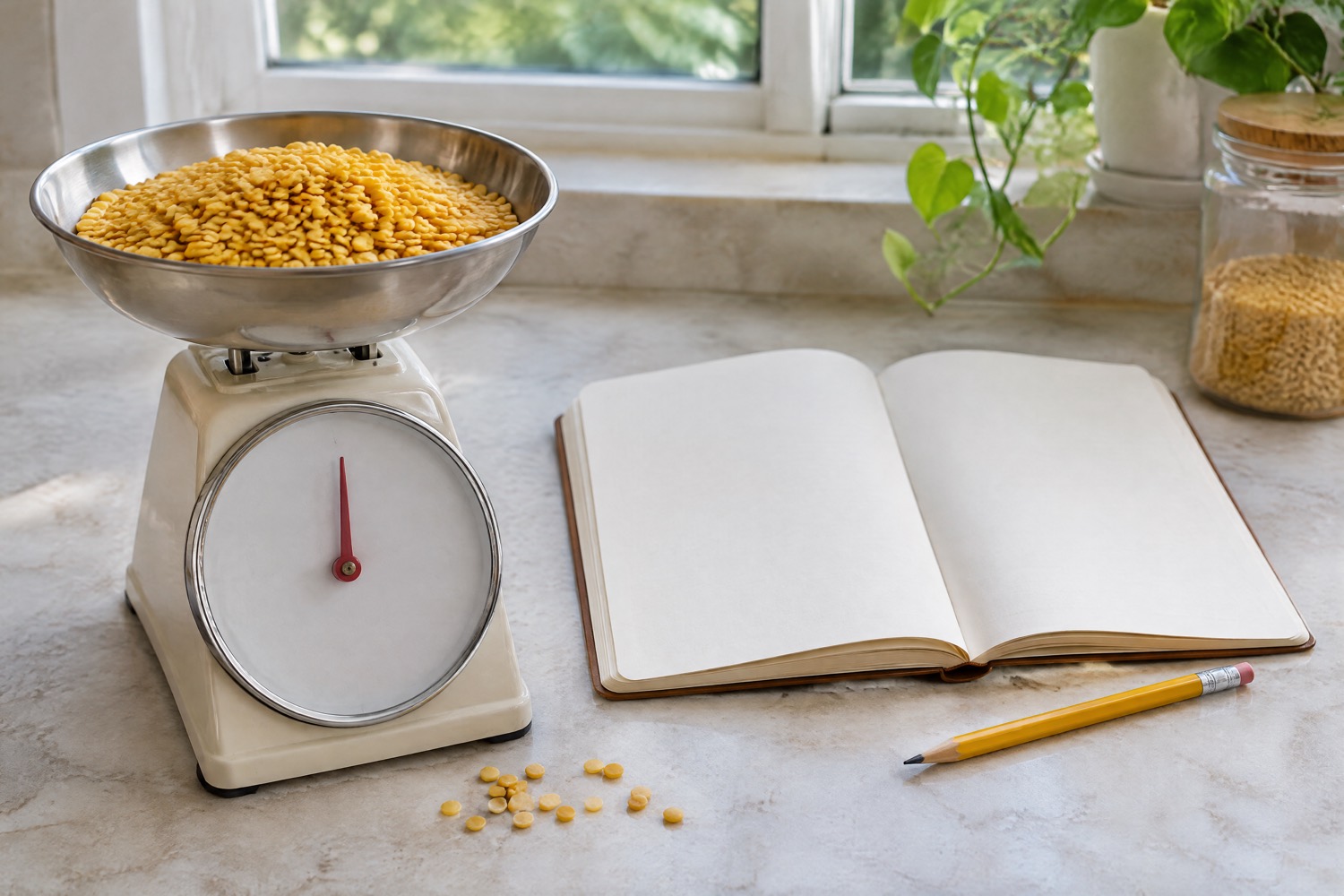
A class fee has to pay for the ingredients on the counter and for your hours, including the ones nobody sees. Add both, then divide by the seats you expect to fill, not the seats you hope to fill. For a six seat class that costs ₹2,700 to run, that sum points to ₹700 a seat. A measured ingredient kit, priced on its own line, adds to what each seat earns.
Start with what the class costs to run. Take a two hour class on festival sweets in your own kitchen, with six seats. Ingredients for cooking and for tasting: ₹600. Gas: ₹50. A helper for the washing up: ₹300. Tasting plates, spoons and tissue: ₹150. That is ₹1,100 before you have earned a rupee.
Then pay yourself. Two hours of teaching are the visible part. Shopping, measuring, setting up and cleaning take at least two more. Decide what an hour of your time is worth; suppose it is ₹400. Four hours come to ₹1,600. The class now costs ₹2,700 in all, and that is the figure your fees must cover.
Divide by the seats you will really fill. A class of six does not fill all six every time. If you price so that four seats cover everything, ₹2,700 divided by 4 is ₹675, so charge ₹700. With four seats you collect ₹2,800 and you are safe. With all six you collect ₹4,200, and ₹1,500 of that is over and above your hourly rate. If you had divided by six and charged ₹450, a class of four would have brought ₹1,800, and you would have taught at a loss of ₹900.
Price the kit on its own line. Some learners want to cook the dish again at home the next day. A kit of measured ingredients that costs you ₹180, plus ₹20 for bags, can be priced at ₹275. On Swad's Premium package, each class in the Cooking classes tab carries its seats, seats booked, fee per seat and ingredient kit price, and learners pay you directly through a link into your own UPI or Razorpay. Keep the fee and the kit separate, so that a learner who brings her own ingredients does not feel overcharged. Look at the sum again whenever the price of ghee or sugar moves, because a class priced last Diwali may not cover this one.
More from the Swad desk.