Sign in Start free trial
November 2026From the Swad desk3 stories

The Costing Counter

Know your cost before you quote your price

Cover story · Plate costing

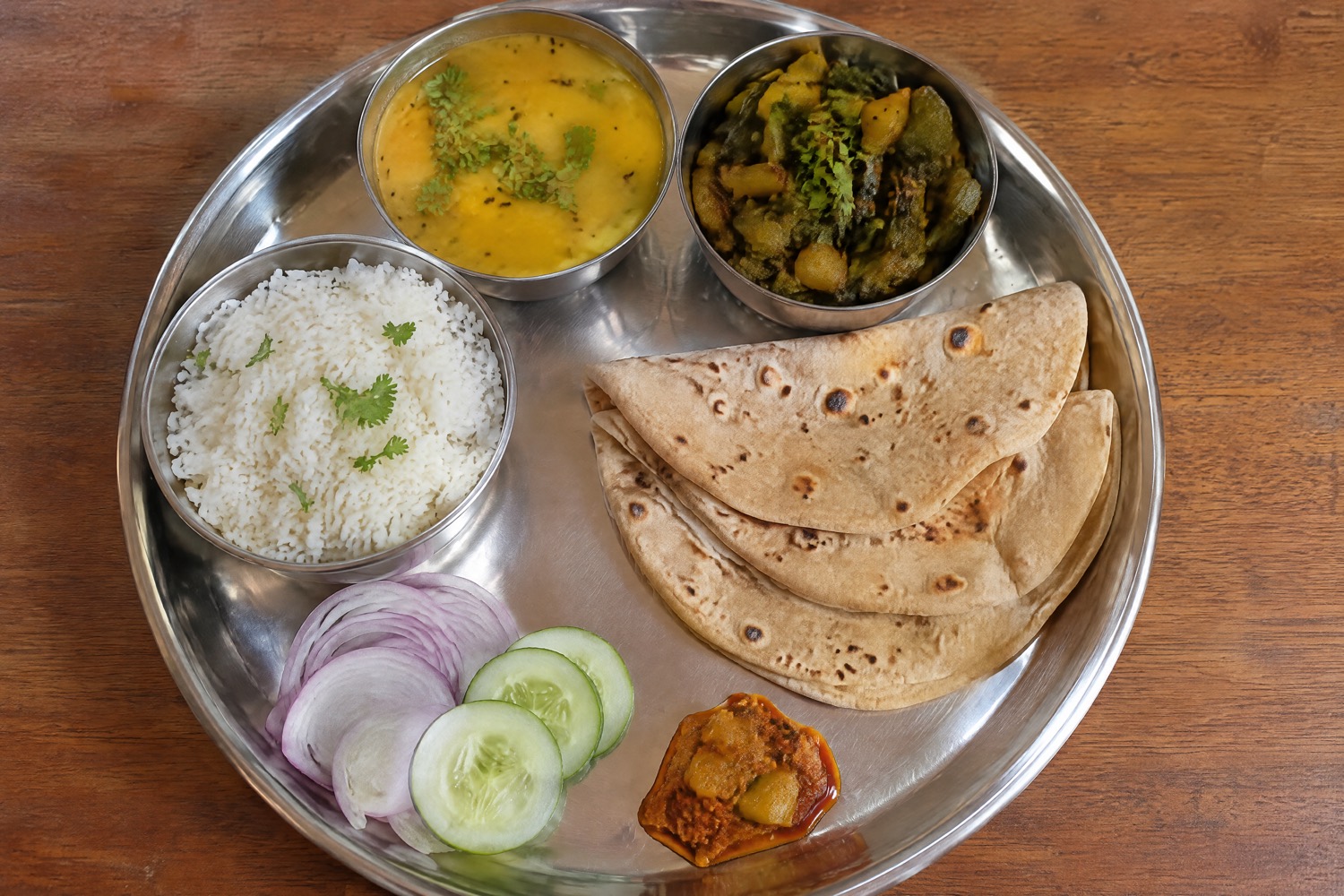
What one thali really costs you

Most home chefs price a thali by looking at what the neighbour charges. The safer way is to add up one batch, line by line, and divide by the plates it makes. Here is a ten plate vegetarian thali costed in rupees: ₹300 of ingredients, ₹150 of gas and packing, ₹45 a plate. Once you know that number, every price you quote is a choice and not a guess.

Read time: 4 minutesGoes with: Plate costingsWritten by: Swad Desk

Read the article
Classes

Pricing a seat in your cooking class

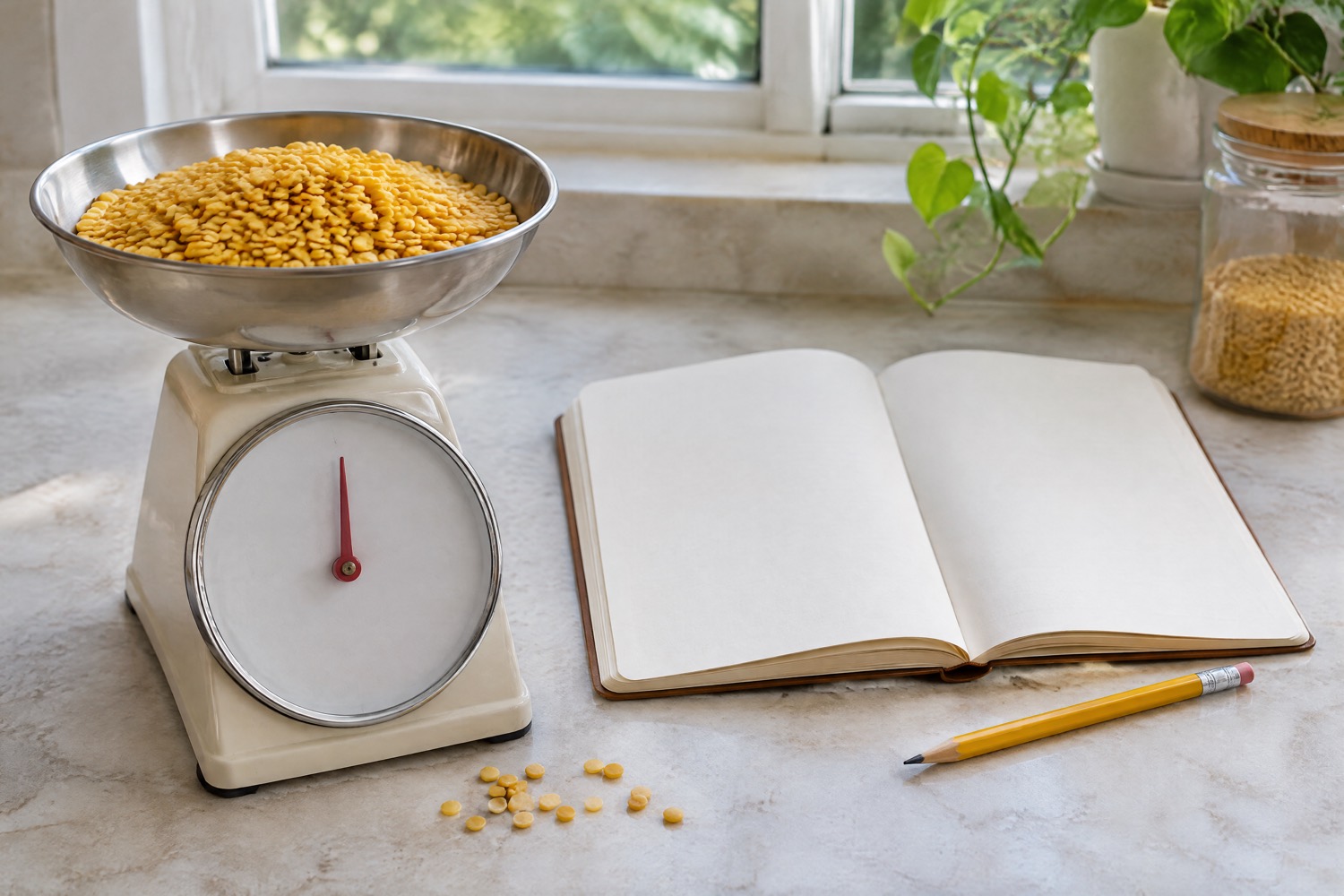
A class fee has to pay for the ingredients on the counter and for your hours, including the ones nobody sees. Add both, then divide by the seats you expect to fill, not the seats you hope to fill. For a six seat class that costs ₹2,700 to run, that sum points to ₹700 a seat. A measured ingredient kit, priced on its own line, adds to what each seat earns.

Read the article →

Read time: 4 minutesGoes with: Cooking classesWritten by: Swad Desk
Recipe packs

Pricing a recipe pack

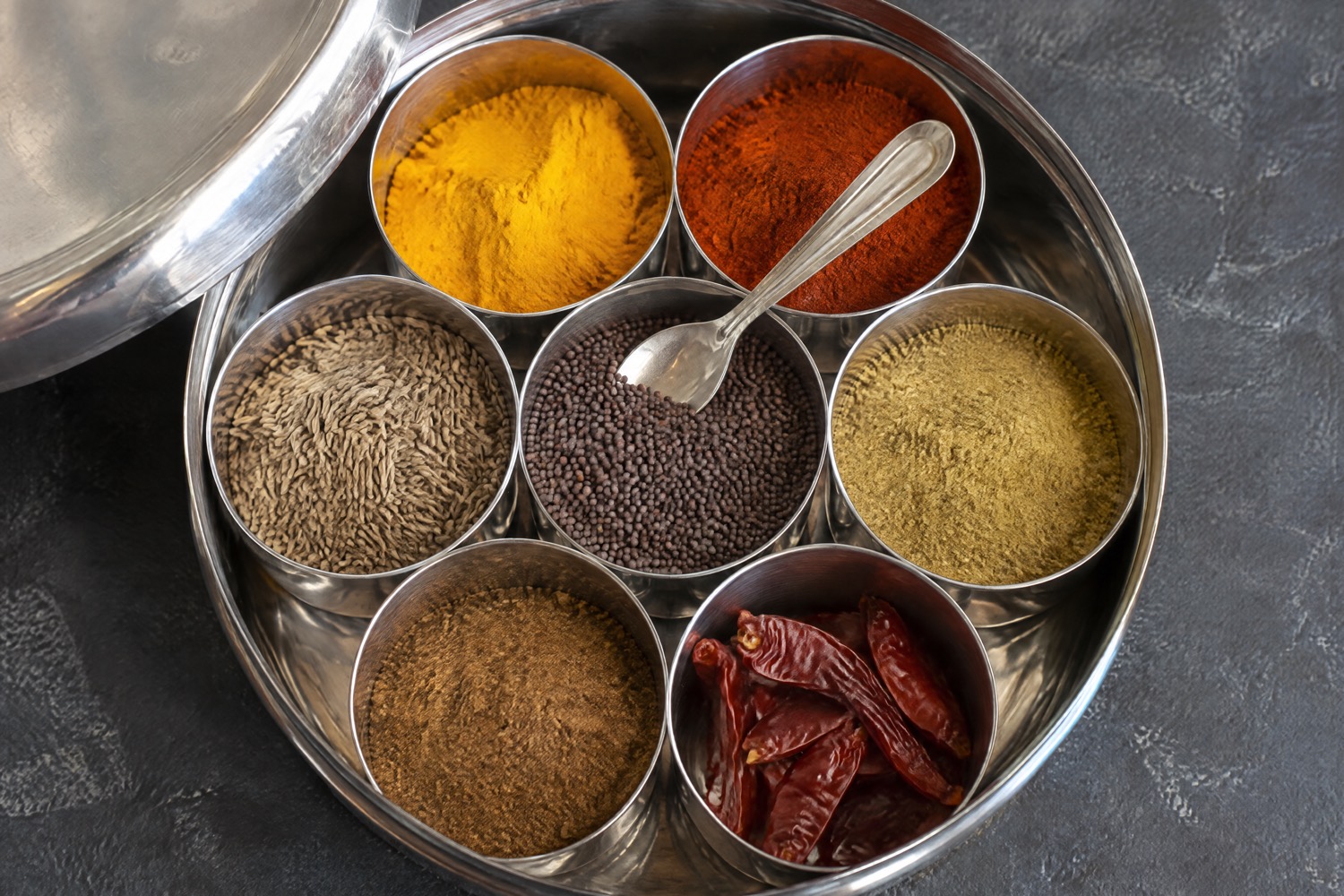
A recipe pack costs nothing to copy, so it is tempting to price it at almost nothing. The cost sits elsewhere: in the test batches you cooked before you were sure. Add those up, decide how many buyers you can honestly expect, and the price follows. For a festive pack of eight recipes with ₹2,400 of testing behind it, a price of ₹199 is recovered by the thirteenth sale.

Read the article →

Read time: 4 minutesGoes with: Recipe packsWritten by: Swad Desk

Plain arithmetic from the Swad desk for the home chef who sells: what a thali costs to put on the plate, what a class seat must earn, and how to price a pack of recipes.

The Costing Counter · published on SwadDesign: Minimal

Write to the Swad desk

A story idea, a correction, or a magazine of your own: the Swad team reads every message.

Want a magazine like this for your own work? Start yours on Swad